For years, I felt like a stranger in my own body. I’d wake up feeling stiff and puffy, with a dull, persistent ache that seemed to settle deep in my joints. A heavy fog of fatigue clung to me all day, making even simple tasks feel monumental. I went through the motions, but I felt disconnected and frustrated. The doctors I saw offered solutions that felt like putting a bandage on a problem without understanding its source, and they didn’t feel right for me. I knew there had to be a gentler, more intuitive way to heal.
That search led me down a path I never expected, one that ended with a steaming, fragrant cup of tea in my hands. This is the story of my journey back to wellness—a story of how I learned to listen to my body and discovered the profound, healing power of simple herbal teas. They have become my daily allies in managing what I now know is chronic inflammation, helping me to quiet the constant pain and reclaim my energy and vitality.
So, pour yourself a cup of something warm, and join me. I want to share not just what I’ve learned, but what I’ve felt, in the hopes that my story might help you begin your own journey back to feeling truly well.
1. Understanding the “Enemy” Within: What I Learned About Chronic Inflammation
The real turning point for me wasn’t a new diagnosis or a miracle pill. It was a moment of understanding. I realized the “enemy” I was fighting wasn’t a specific illness, but a process happening inside my own body—a quiet, relentless fire called chronic inflammation.
 I learned that inflammation is the body’s natural, protective response to injury or infection. But when that response doesn’t turn off, it goes into overdrive, becoming chronic. This is the root cause of so many of the health issues we face today, from joint pain and fatigue to more serious conditions like heart disease. My body was sending out distress signals, which scientists can measure as elevated levels of specific “markers of distress,” such as C-Reactive Protein (CRP), Interleukin-6 (IL-6), and Tumor Necrosis Factor-alpha (TNF-α).
Suddenly, everything clicked. The persistent body aches, the exhaustion that wouldn’t lift, the stiffness in my joints—it wasn’t just in my head. It was the physical manifestation of my body’s immune system being stuck in a state of high alert. Once I understood the fundamental nature of the problem, I felt empowered. I could finally stop fighting shadows and start looking for natural, gentle solutions to help calm the fire within. That’s what led me to my kitchen cupboard and the ancient wisdom of herbal teas.
2. My Healing Cupboard: A Personal Guide to Anti-Inflammatory Teas
Welcome to my personal healing cupboard. This isn’t just a list of herbs; it’s a collection of my most trusted friends in the plant world. Each one has played a unique and influential role in my journey. I want to introduce you to the teas that have made the most significant difference in my daily life, sharing how they work and, more importantly, how they’ve worked for me.
2.1. Green Tea: My Go-To for Gentle, All-Day Support
I think of green tea as the foundation of my wellness routine. It’s my gentle, all-day companion that works quietly in the background to keep my body in balance.
The magic of green tea comes from powerful plant compounds called polyphenols, and the most potent of these is a catechin known as EGCG. As I dove into the research, I learned that EGCG is a remarkable antioxidant. What I found fascinating, however, was its specific way of working. Studies have shown it’s very effective at lowering TNF-α levels, one of the key distress signals. But I also learned that its impact on broader inflammation markers, like CRP and IL-6, is inconsistent in human studies. This was an important lesson for me: nature’s remedies are not blunt instruments but have unique, targeted strengths. This honesty in the science made me trust green tea more, not less, for its specific role.
When I first started my journey, I made a ritual of beginning each day with a cup of Japanese sencha, a variety known for its high EGCG content. Over the first few weeks, I noticed a subtle but profound shift. The morning “puffiness” I used to feel in my hands and face began to fade, and the general achiness that clouded my mornings started to lift. My body just felt lighter and more energetic, ready to face the day.
My Brewing Tip: To preserve the delicate, beneficial catechins in green tea, it’s best to use water that’s hot but not boiling—around 80°C (175°F) is perfect. I let it steep for just 2-3 minutes to get all the goodness without any bitterness.
2.2. Turmeric Tea: The Golden Elixir for My Aching Joints
On days when my joints are particularly vocal, I turn to what I call my “golden elixir”: turmeric tea. This is my targeted remedy, a warm, earthy brew that feels like it goes straight to the source of the discomfort.
The power behind turmeric is its active ingredient, curcumin, a true anti-inflammatory superstar. What amazed me in my research is that while some remedies target one or two of the body’s distress signals, curcumin seems to quiet the entire alarm system—tackling TNF-α, IL-6, and CRP all at once. It has been widely studied for its ability to relieve the kind of arthritic joint pain and muscle soreness that used to hold me back. That’s why I think of it as my go-to for more serious, stubborn joint pain.
I’ll admit, I was skeptical at first. Could a simple spice really make a difference? I committed to drinking one cup every afternoon. For a few weeks, I didn’t notice much. But then, slowly, the change became undeniable. The stubborn stiffness in my knees that made gardening a chore began to ease. I could kneel to tend my plants without that familiar, sharp complaint. Soon, I was retaking longer walks, feeling a freedom of movement I thought I had lost for good.
Pro-Tip for Absorption: I learned a crucial triAbsorptionn: curcumin isn’t easily absorbed by the body on its own. Adding a pinch of black pepper can enhance its Absorption by up to 2000%! I like tAbsorptionturmeric tea with a pinch of pepper and a splash of coconut milk for a creamy, delicious, and incredibly potent cup.
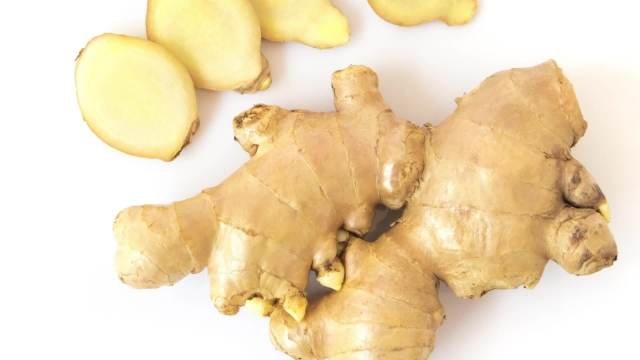
2.3. Ginger Tea: My Spicy Rescue for Muscle Soreness and Tummy Troubles
For me, ginger tea is the spicy, warming hero of my healing cupboard. It’s my rescue remedy—fast-acting, deeply soothing, and wonderfully versatile.
Ginger is packed with potent antioxidant compounds, like gingerols, that actively minimize the production of pro-inflammatory substances in the body. It’s been used for centuries to treat everything from nausea and arthritis to migraines, working on a similar pathway as some pain medications (by blocking COX-2 enzymes) but without the risk of stomach irritation. At the same time, science is still exploring the exact ‘how,’ my own experience has shown me how powerful this root can be.
I have two go-to uses for this tea. The first is for muscle soreness. After a long day of working in the yard or a particularly challenging yoga class, I’ll simmer some fresh ginger root on the stove. The spicy warmth of the tea seems to spread through my muscles, melting away the aches and tension. The second is for my digestive system. On days when my stomach feels unsettled, or cramps begin to flare, a strong cup of ginger tea brings almost immediate, gentle relief. It’s become my most reliable, fast-acting friend.
My Brewing Tip: I’ve found that fresh is definitely best when it comes to ginger. Its therapeutic potential is much higher than the powdered version. I simmer about 1-2 teaspoons of freshly peeled and grated ginger in water for about 10 minutes for a truly potent brew.
2.4. Chamomile & Peppermint: My Evening Ritual for Calm and Digestive Peace
As my day winds down, I have an essential evening ritual that helps calm my body and mind: a soothing duo of peppermint and chamomile teas. This pair is my recipe for digestive peace and a restful night’s sleep.
Chamomile is famous for its calming properties, but it’s also a potent anti-inflammatory. It contains compounds like apigenin that help reduce inflammation, accelerate tissue healing, and soothe gut issues. For the best results, I always look for the German variety of chamomile, which I’ve learned produces the most effective brew. It’s the perfect signal to my body that it’s time to rest and repair.
 Peppermint is my go-to for immediate digestive comfort. The menthol in the leaves acts as a natural anesthetic, relaxing the stomach muscles to ease bloating, gas, and discomfort. It’s beneficial for anyone who struggles with digestive issues like IBS.
I often combine their benefits. I remember one evening after a decadent dinner, feeling uncomfortably bloated and a bit stressed from the day. I brewed a cup of peppermint tea first, and within minutes, the pressure in my stomach began to ease. An hour later, I followed it with a warm cup of chamomile. The combination was magical—my body felt calm and settled, and my mind was quieted, allowing me to drift off into a deep, peaceful sleep.
Choosing these excellent teas is the first step, but how you prepare them can make all the difference in unlocking their full potential.
3. My Simple Guide to Brewing the Perfect, Potent Cup
Over the years, I’ve learned that getting the most benefit from these wonderful herbs isn’t complicated, but a few simple habits can go a long way. These are my favorite tips for brewing a cup of tea that is not only delicious but also brimming with as much goodness as possible.
- Go Loose: I’ve found that using loose-leaf teas with an infuser often gives a much richer, more complex flavor. More importantly, studies show that loose leaves tend to contain more of those helpful antioxidants than many pre-packaged tea bags.
- Perfect Timing: It can be tempting to let your tea steep for a long time, thinking it will get stronger, but that can lead to bitterness. For most herbal and green teas, just 5 minutes is the sweet spot to extract 80-90% of the beneficial compounds.
- Get Creative: Don’t be afraid to mix and match! Some of my favorite creations have come from experimenting. I love adding a slice of fresh lemon to my ginger tea for a bright kick, or a little honey to my chamomile. Spices like cinnamon and cardamom are also excellent, anti-inflammatory additions that can create a truly special brew.
- Fresh is Best: Remember, these teas come from living plants, which can lose their potency over time. Whenever you can, use fresh ingredients—like freshly grated ginger root or high-quality, recently purchased loose-leaf teas—for the best flavor and maximum health benefits.
As wonderful as these natural allies are, it’s also essential to approach your wellness journey with mindfulness and good information.
4. A Final Thought: Listening to Your Body (and Your Doctor)
I’ve shared my story with you as a friend and fellow traveler on the path to wellness, not as a medical expert. My journey has taught me the importance of a balanced approach to health—one that combines the wisdom of nature with the guidance of professionals.
 It’s crucial to remember that even natural herbs can be powerful. In large quantities, many teas can interact with medications and supplements. For instance, the beneficial catechins in green tea can sometimes interfere with cardiovascular drugs, immunosuppressants, and even some anticancer agents. This doesn’t mean you should be afraid; it means you should be informed.
That’s why I cannot stress this enough: please consult with your healthcare practitioner before starting any new health regimen. This is especially important if you have a pre-existing medical condition, are pregnant, or are taking any other medications. Think of your doctor as a partner on your journey. Sharing your desire to incorporate natural remedies, such as herbal teas, allows them to provide the safest, most effective guidance tailored just for you. It’s a vital step in creating a responsible and truly holistic wellness plan.
This article shares my personal experiences and is for informational purposes only. It is not a substitute for professional medical advice, diagnosis, or treatment.
5. Conclusion: Your Own Journey to a Soothed, Healthier You
Looking back, it’s fantastic to see how far I’ve come. I went from feeling burdened and disconnected from my body, weighed down by constant inflammation and pain, to finding daily relief and empowerment through the simple, beautiful ritual of drinking tea.
My story is a testament to the idea that small, gentle changes can create a ripple effect of well-being. Incorporating these delicious, anti-inflammatory teas into your daily life is an excellent and natural way to support your body’s innate ability to heal. It’s an act of self-care that soothes not just the body, but the soul.
I hope my experience has inspired you to start your own journey. You don’t have to change everything at once. Perhaps start by trying one of the teas that resonated with you. Listen to your body, be patient with yourself, and enjoy the simple pleasure of sipping on nature’s remedies. I wish you the very best on your path to a soothed, healthier, and happier you.